
To continue the series of posts on my travels, I now invite you to discover New England. I'm going to share my experience, my discoveries, and let you understand what it's like to be a luthier in Boston. After all, it was an incredible experience that I really wanted to talk about, if only to remind myself of it.
A luthier in Boston
To tell you the truth, this is actually the first time I've set foot in the United States. It was a pretty incredible experience, which took me through many emotions. I probably won't be able to convey them all here, but I'll do my best.
My first trip since the "end" of this pandemic
This trip had already been planned before the health crisis plunged us into a deep lethargy. And despite a few adaptations, I was finally able to make it happen without facing the difficulties of the last trip to Korea and its quarantine. In fact, I'd mostly forgotten how small the seats are on planes. Speaking of which, I recently discovered a secret on trains and planes that will make travel for all tall people much more pleasant: the headrests can now be raised! I imagine, however, that this is not a general rule(I can confirm that this is not the case on TGV trains)...
A luthier's first time in Boston
For me, the discovery of Boston is also the discovery of an entire continent. In fact, despite the immensity and vertigo of this new experience, it was paradoxical in many ways. I'm sure you're familiar with that strange yet familiar feeling too. In fact, to borrow an analogy that's probably very much in vogue at this time of pandemic, imagine yourself meeting someone for real(IRL - In Real Life) whom you'd met online. You may have talked at length, exchanged views and shared ideas on subjects you wouldn't discuss with those closest to you, because it's sometimes easier to open up to strangers. However, it has to be said that the moment your eyes meet for the first time, there's a kind of leap into reality that takes place, and that's exactly what I felt as I left Logan airport.
Moreover, in this one-way relationship, where all these flashes of the American dream come together, look alike and fit together, I move with uncomfortable ease towards the cab that will take me to my temporary home.
All this to say that America is something we're all familiar with. We're bombarded with it on a daily basis, and the culture is so intertwined with our own nowadays that nothing seems too shocking. And yet...
America's most European city
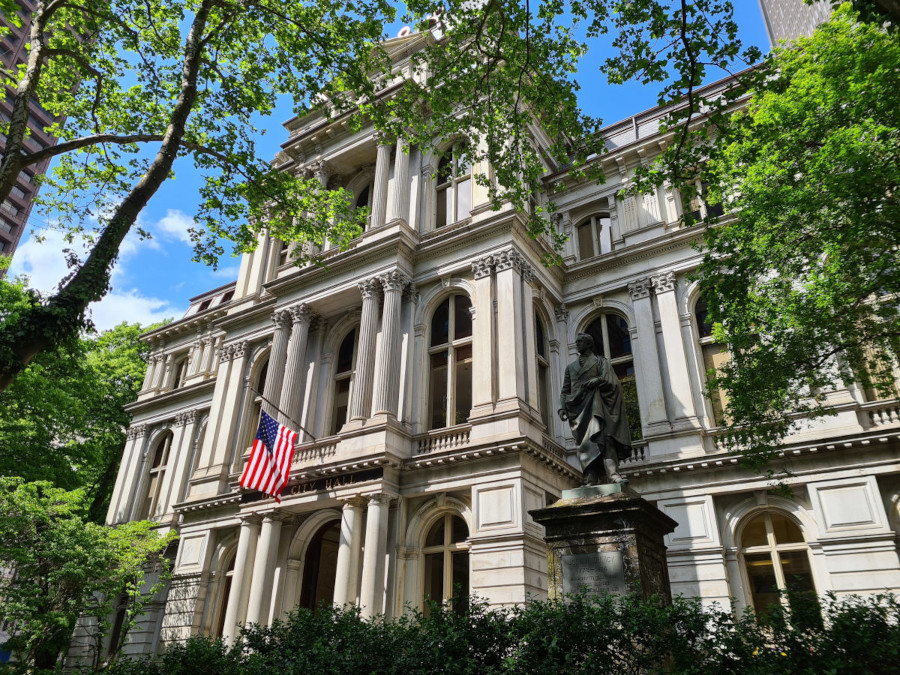
Boston is currently the tenth largest city in the United States, with just over 600,000 inhabitants in its metropolitan area. It's a city on the ocean, where water is omnipresent because it's built at the mouth of the Charles River. As you can see from the map below, the city center is almost an island. In fact, it's this center that bears the greatest testimony to the city's European heritage. Indeed, some of the city's neighborhoods still retain their very English architecture, but also the colors of the European immigrants for whom Boston was one of the main gateways(along with New York).
The Freedom Trail
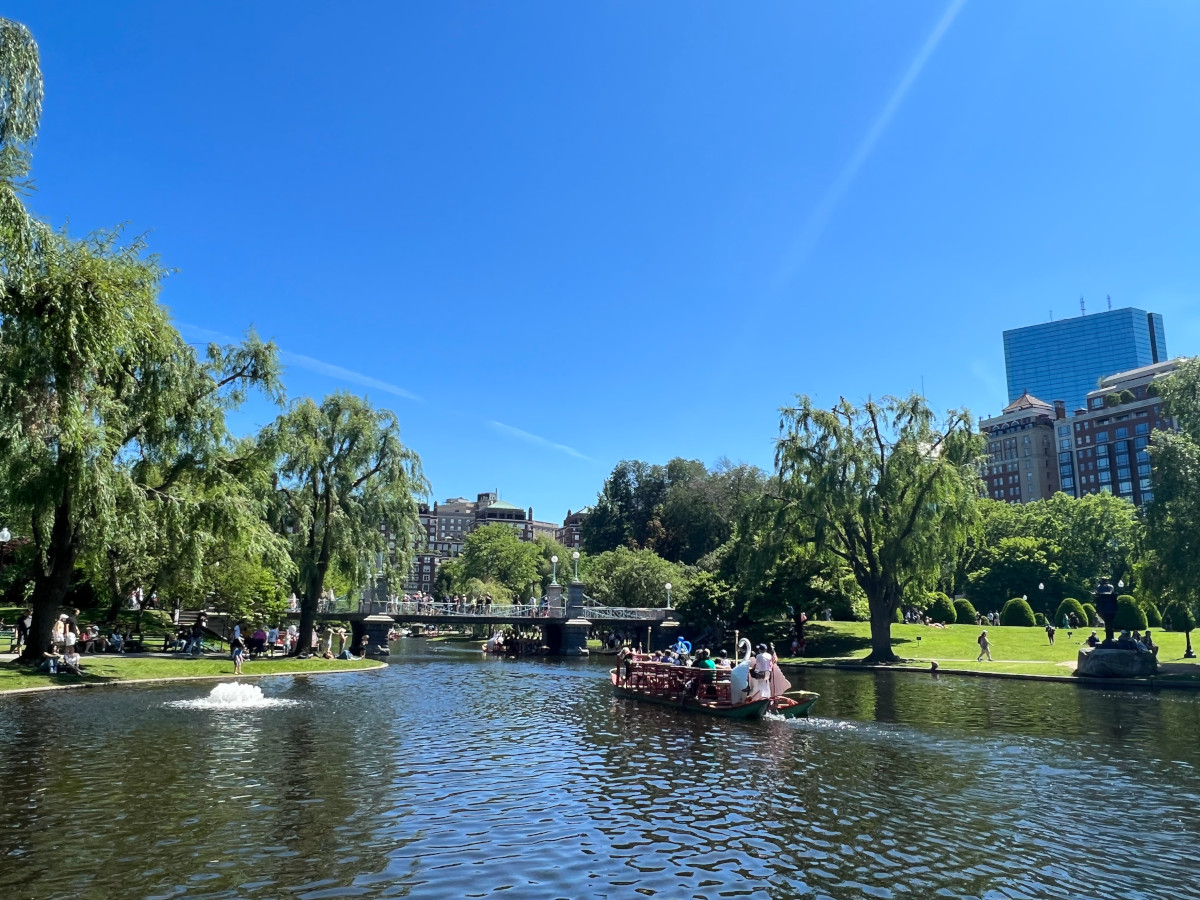
For the history-loving tourist, just followThe Freedom Trail, a condensed route retracing the history of American independence and its defining moments. The trail follows a red line through the city, a succession of bricks masoned into the pavement or sidewalk. Starting from the public gardens of Boston Common, the route takes us successively through the financial district, with its buildings whose height could give you a stiff neck, and then invites us into the much more popular Italian Quarter, with its restaurants and cannelloni.
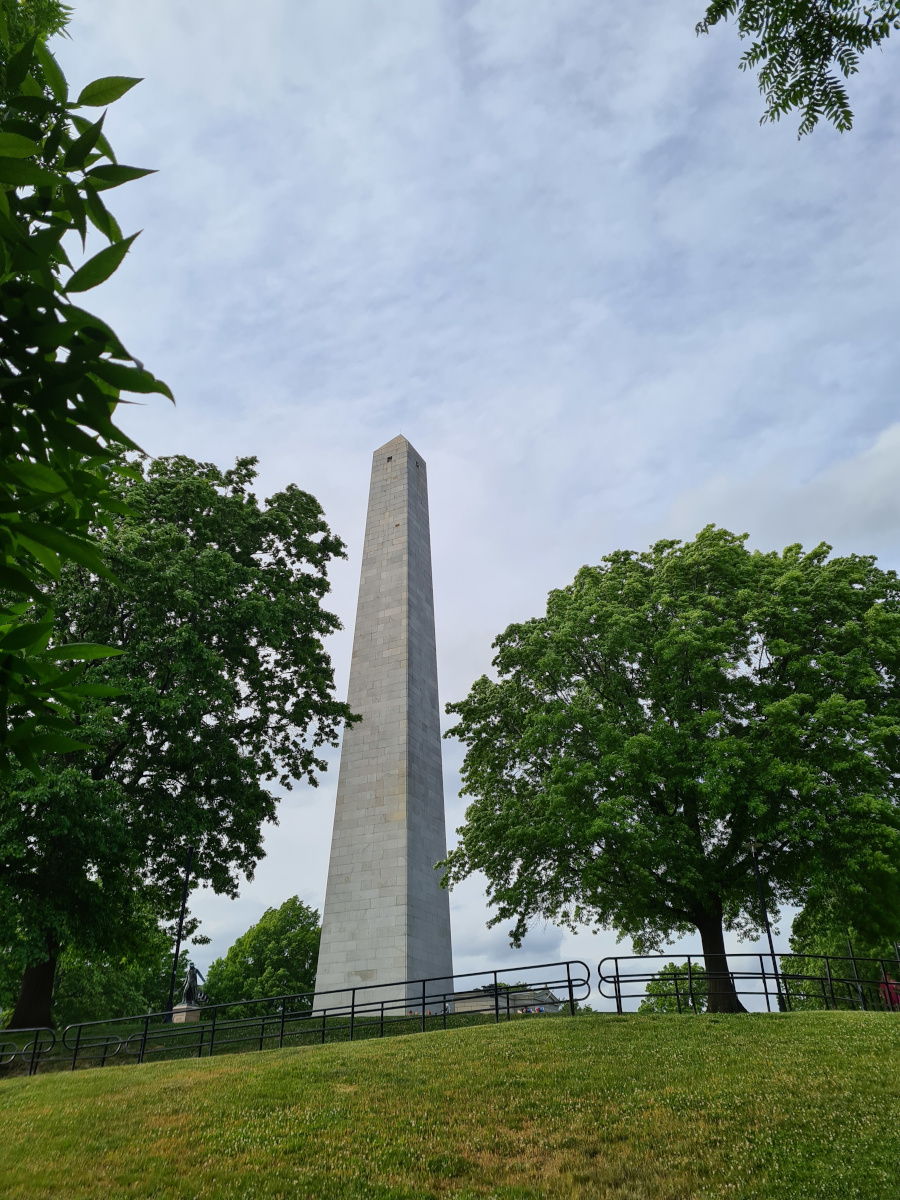
Next, the cobblestones take us across the river to Bunker Hill, a quiet, affluent neighborhood today, but once witness to a major battle between the British and Americans.
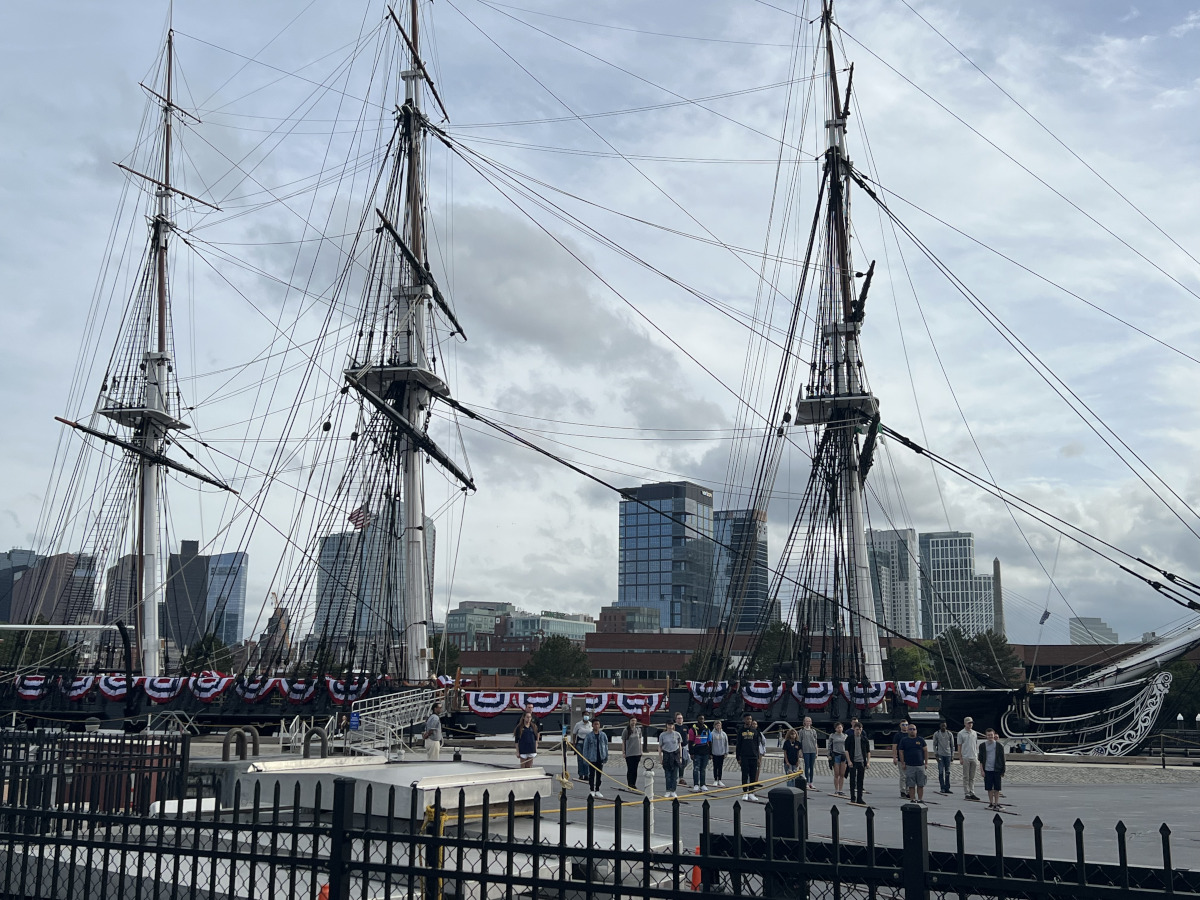
Finally, the route takes us to the oldest warship still afloat: the USS Constitution. Today, it's a kind of living museum, which sometimes travels with the dual purpose of education and representation.
Duck Tours
If you're short on time but still want to see the whole city, Duck Tours may be for you. These are amphibious tour buses that criss-cross the city with their guide and literally take you around the city, on the water and on the road.

Getting around Boston
Another aspect that makes the city more European than the rest of the USA is perhaps(as locals say) the ease of getting around the city without a car. In addition to the numerous bike paths I saw along the rivers and parks, the public transport network is pretty well-stocked. In fact, everything is fairly easily accessible, even if the more out-of-the-way areas like Fort Independence require a fair bit of organization to get to.
On the other hand, Uber and Lyft services work well. This provides a good alternative for special trips.
One of my favorite spots in Boston
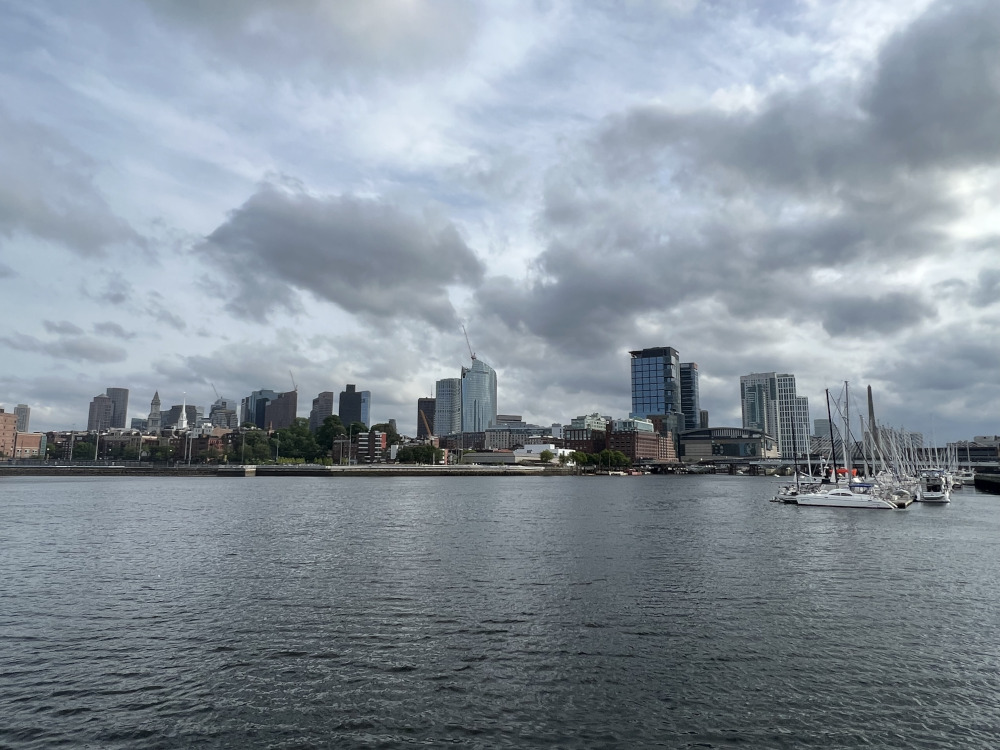
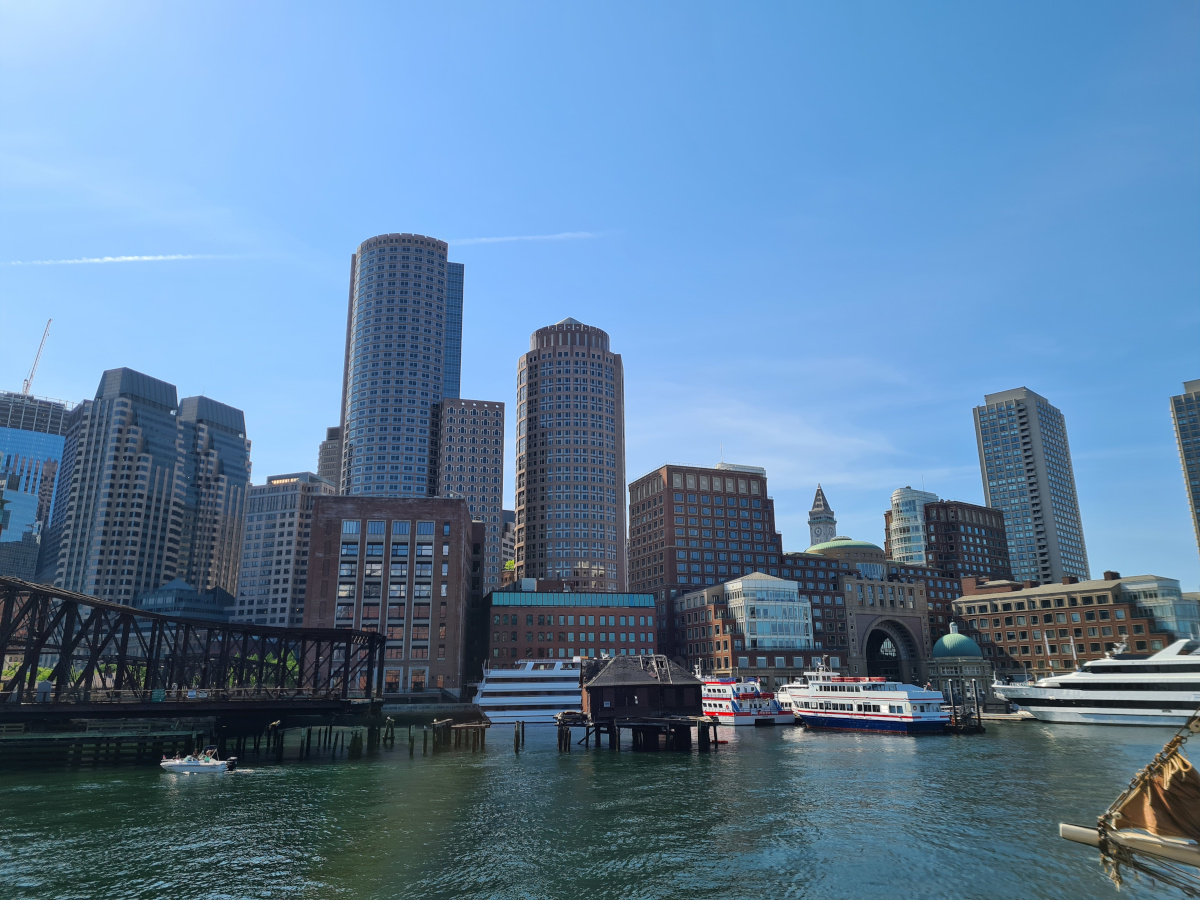
One of the places that caught my eye was the junction between downtown and the South BostonWaterfront. On one side, you can see the city's true financial and historical center, with its government buildings and luxury hotels. On the other, a part of the harbor that's undergoing major restructuring, with the construction of new buildings and the transformation of the old docks into trendy cultural districts. Between the two lies an overhang of sea that seems to contain only the remnants of the commercial and industrial activity of yesteryear. Today, one of the most obvious remains is the Old Northern Avenue Bridge, which has been gradually abandoned for safety reasons.
This was to have been restored and recently reopened for pedestrian and bicycle traffic, but the project was postponed due to COVID-19.
The atmosphere of the place appealed to me, perhaps because it hints at the speed of time. It's apparent immobility in the midst of absolute frenzy. As if witnessing an inexorable, perpetual and so natural change. In fact, I found it rather soothing.
In fact, there's this seafood restaurant just across the street that's well worth a visit. It's a bit like a shack, but you get to taste local seafood. In fact, I recommend you try theBoston Clam Chowder, which is surprisingly good. Finally, while we're on the subject of food, lobster is truly emblematic and can be enjoyed in all its forms. Don't be surprised to hear about lobster sandwiches everywhere, as they're a local specialty.
Music in Boston
Boston is a major music city, of course, with a well-developed cultural landscape and renowned music schools. But there are also a few peculiarities to be aware of, such as the city's link with Strasbourg.
Boston and Strasbourg, twin cities
It came as something of a surprise, but Strasbourg and Boston have enjoyed a special bond for over 60 years, and it's all thanks to music. This rapprochement is the fruit of the work of Charles MUNCH, a Strasbourg native and former conductor of the Boston Symphony Orchestra. Today, the BSSCA association continues to organize regular events to bring the two cities closer together.
Major music schools
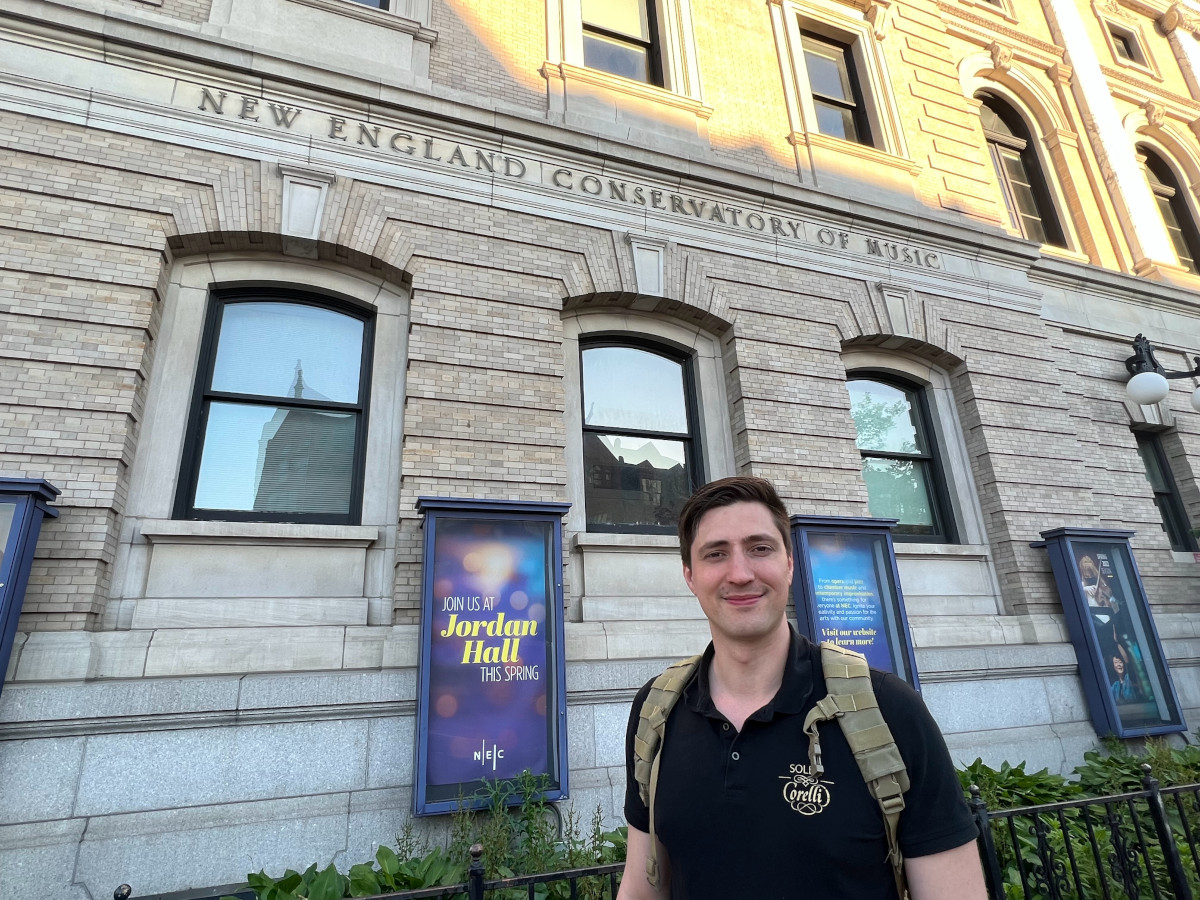
When it comes to classical music, the New England Conservatory is undoubtedly the school to turn to. Yet it's not the most prestigious, nor the best known. In fact, it's eclipsed by another school just a few blocks away: Berklee College of Music. This school, which specializes in jazz and contemporary music, has produced some of the greatest artists of the last 50 years(Cyril Atef, André Manoukian, Christophe Chassol, Psy, Hiromi Uehara, the musicians of Dream Theater, Steve Vai etc.).
In any case, education is a priority in Boston, and we haven't even mentioned the city's big universities: MIT and Harvard.
A luthier at Harvard
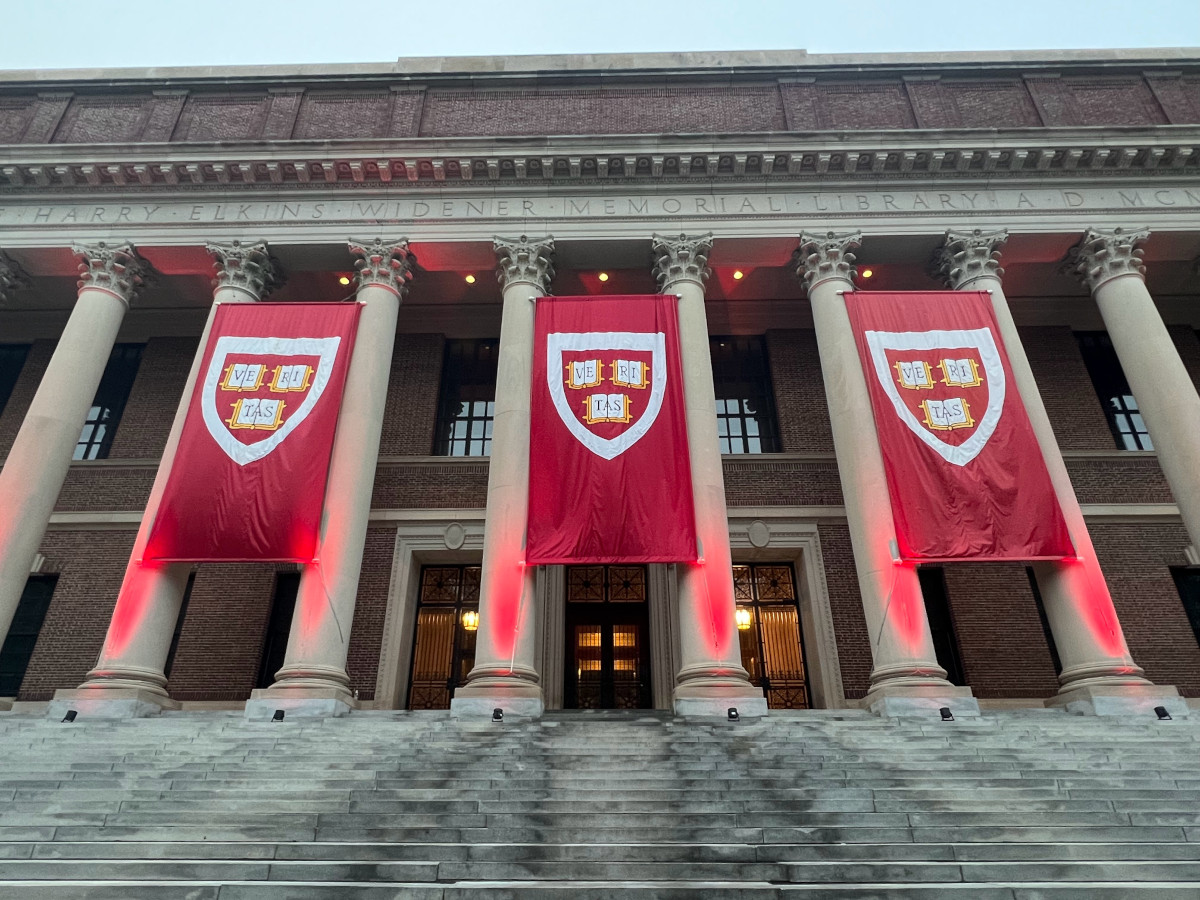
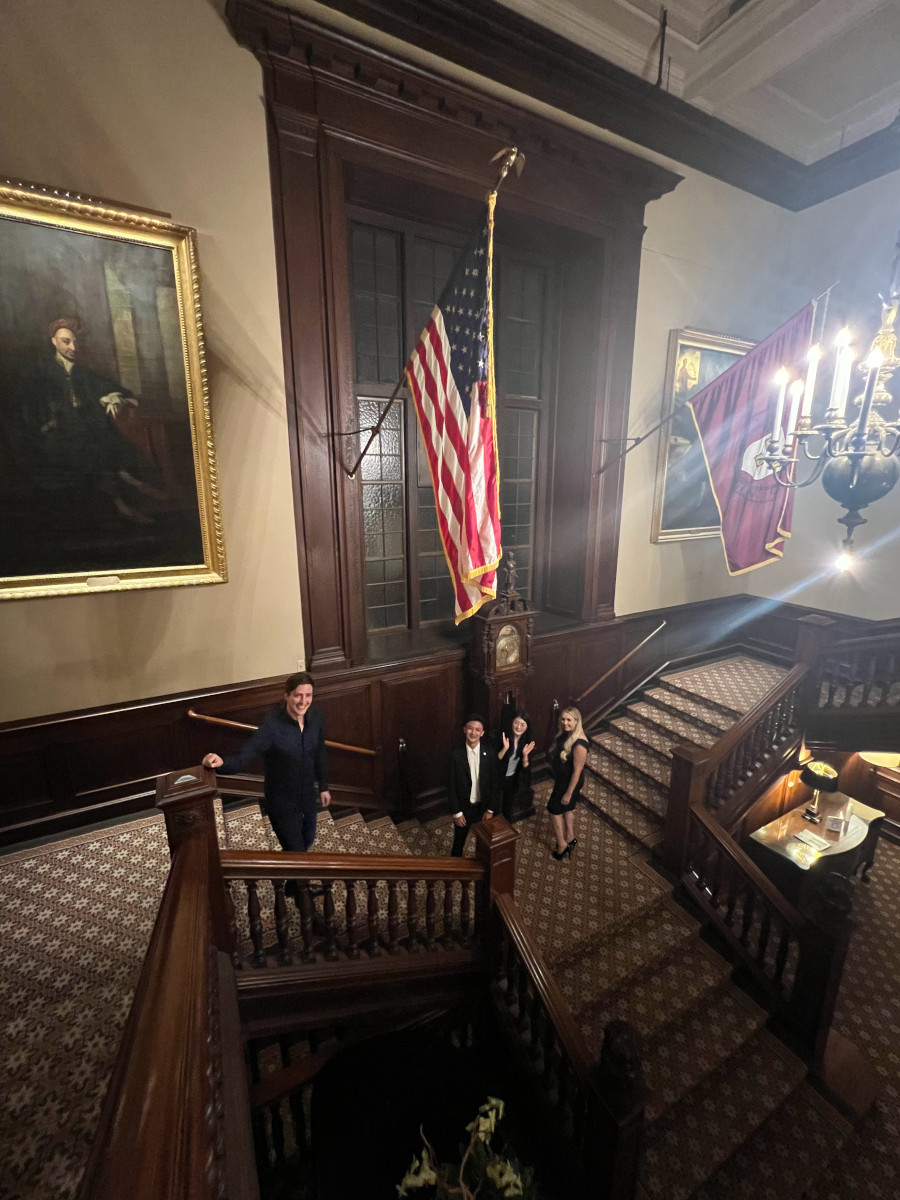
No, there's no luthier's diploma to be earned at Harvard. However, I was able to visit the campus and take part in the graduation ceremonies. It's an extraordinary experience.
The history of Harvard
Today, it is one of the most prestigious universities in the world. And it serves, among other things, as a social marker of success, but also of academic excellence. However, when it was founded in 1636, just a few years after Boston's creation by European settlers, there was probably nothing to indicate that it would become such a great institution.
In any case, it's interesting to know where its name comes from. In fact, very shortly after its foundation, a young English immigrant who had already lost his family to the plague on the old continent, succumbed to tuberculosis shortly after seeking a new life in the new world. He bequeathed half of his fortune, as well as his library - quite substantial for the time - to the fledgling institution(which then had just 9 students and 1 professor). In honor of this first generous donor, the school was renamed in his name: John Harvard.
Since then, it has gone from strength to strength, diversifying thanks to its donors, funding and considerable influence. Until it became what we know it to be today. But seriously, you really need to have spent a few years there to understand the importance of this place. Because personally, I've only scratched the surface.
A luthier returns to Boston
I'm already getting ready to return to Boston to complete some projects that are close to my heart. I hope I've also inspired you to discover this place, and who knows, maybe we'll bump into each other there.



One comment